Professional
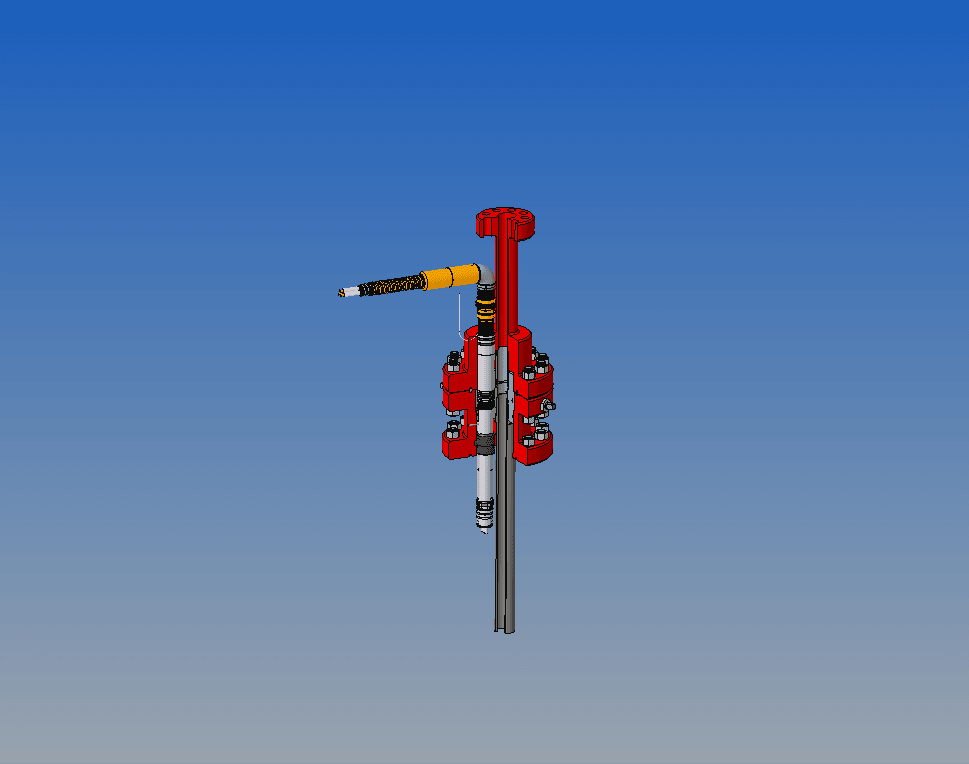
Metal Lok Ultra Lite
BIW Connector Systems · Product Design Engineering Team · Summer 2026
A 700kW electrical connector system designed to withstand 10,000 psi and 350°F service conditions whilst reducing material and manufacturing costs.
Overview
During my 10-week engineering internship at BIW, I worked on the cost-driven redesign of an existing electrical connector system intended for 10,000 psi, 350°F service in a Class I Division I Hazardous Environment. The project combined cost modeling, component redesign, technical documentation, and qualification-test planning.
My Role
Validated and developed a 45-component cost model, identified opportunities for redesign given the new environmental conditions, redesigned elastomeric sealing glands and surrounding components, presented findings to upper management, and developed formal design and qualification documents including a Design Specification, Qualification Test Plan, and DFMEA.
Project Overview
The Metal Lok Ultra Lite project focused on reducing the manufacturing and assembly costs of an existing electrical connector system whilst adapting it to a new set of environmental requirements. Rather than beginning directly with component redesign, I first evaluated whether the concept represented a worthwhile engineering investment by developing a detailed cost model for the existing assembly.
Rated pressure
10,000 psi
Rated temperature
350°F
Cost & Design Analysis
I began by validating and expanding a 45-component cost model for the existing connector assembly. The model established a baseline manufacturing and assembly cost, identified high-impact redesign opportunities, and estimated the savings achievable through the Ultra Lite concept. The completed analysis projected an overall cost reduction of approximately 39%, supporting continued investment in the redesign.
Components evaluated
45
Routings evaluated
28
Projected cost reduction
39.1%
Materials & Sealing Glands
The revised operating requirements reduced the maximum service temperature from 500°F to 350°F, creating opportunities to replace costly materials whilst maintaining the required environmental performance. I evaluated alternative sealing materials against the applicable requirements and identified more cost-effective options that remained compliant with the NORSOK M-710 approved-material classifications. At the same time, the maximum service pressure increased from 3,000 psi to 10,000 psi, which called for a redesign of the sealing elements and incorporation of backup rings.
Previous service temperature
500°F
New maximum temperature
350°F
Previous service pressure
3,000 psi
New service pressure
10,000 psi
High-Pressure Seal Redesign
Given the increased pressure requirement, the risk of failure by extrusion for the existing O-rings was elevated significantly, which called for a redesign of the sealing glands to accomodate backup rings. With the new elastomer, operating temperature, pressure, and gland geometry, I ran through some calculations modelling a variety of geometric configurations, ultimately choosing a geometry that allowed for proper cross-sectional compression and reduced circumfrential compression. These calculations established the required gland dimensions before the surrounding components were updated in Creo Parametric.
Gland Geometry Development
The calculated gland requirements were translated into updated component geometry in Creo. By altering a minimal amount of components, the new sealing requirements could be incorporated whilst preserving existing manufacturing routings, toolings, and operatios wherever possible, further supporting the project's cost-reduction goals.
Component Redesign
The revised sealing requirements drove dimensional changes to two components within the connector assembly. I took out new part numbers for those components, updated the dimensions to match my calculations, and documented the process through engineering drawings, cost projections, and powerpoints. After incorporating the redesigned components into the overall assembly, I coordinated with the purchasing and manufacturing departments to get the components made!
Qualification Planning
Following detailed design, I documented the system requirements in a formal Design Specification and progressed the project through the company's design-review process. I then developed the Qualification Test Plan and DFMEA used to define how the redesigned connector would be evaluated against its mechanical, electrical, pressure, temperature, and sealing requirements. The planned qualification program combined extended-duration pressure and temperature cycling with electrical, mechanical, and post-test inspection requirements.
Design documentation
Design Specification
Risk analysis
DFMEA
Test documentation
Qualification Test Plan
Qualification Testing
Qualification began with baseline electrical and mechanical verification, including dielectric, insulation-resistance, continuity, and axial contact testing. Test specimens were then assembled into a DUT string and prepared for environmental exposure within a pressure vessel. The qualification sequence subjected the connector system to repeated pressure and temperature cycling in a corrosive environment over an extended test duration before requiring repeat electrical testing and detailed inspection for structural, mechanical, or sealing failures.
Technical Documentation & Handoff
Because the company's formal design and qualification process extended beyond my 10-week internship, the project had not reached final qualification before my departure. I documented all the design decisions, calculations, test requirements, and remaining work in detail so that another engineer could continue the project without losing design context. This included the Design Specification, Qualification Test Plan, DFMEA, supporting calculations, and all relevant documentation developed throughout my internship.
Design Results
The redesign established a technically viable path toward substantially reducing connector cost whilst meeting a new set of environmental requirements. The completed cost model projected approximately 39% savings, whilst the detailed design incorporated material substitutions, new elastomeric sealing glands, and corresponding component changes. The project progressed through detailed design and formal qualification planning before being transferred for continued testing after the conclusion of my internship.
Projected cost reduction
~39%
Components evaluated
45
Rated pressure
10,000 psi
Rated temperature
350°F
Reflection
This project gave me experience carrying an engineering redesign beyond the component level and considering its technical, economic, and organizational consequences simultaneously. I worked with a variety of teams from different departments, coordinated with outside suppliers for pricing and lead times, and learned how detailed design, formal review, qualification testing, and technical documentation fit together within a commercial product-development process. Most importantly, the project reinforced that a successful redesign must not only satisfy its engineering requirements, but also provide a compelling business case and be documented well enough to continue beyond any one engineer's involvement.